
National Pride Animal: Mazaalai Bear
Save the world's loneliest bear
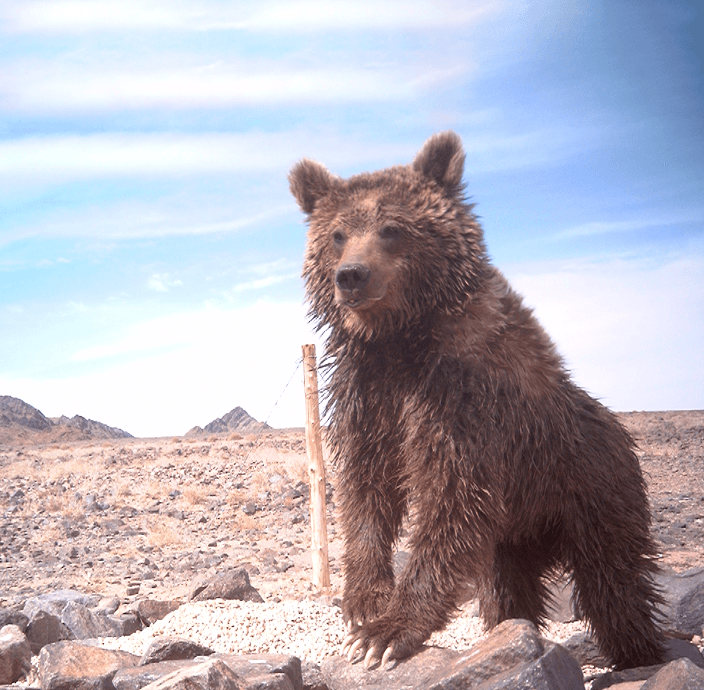
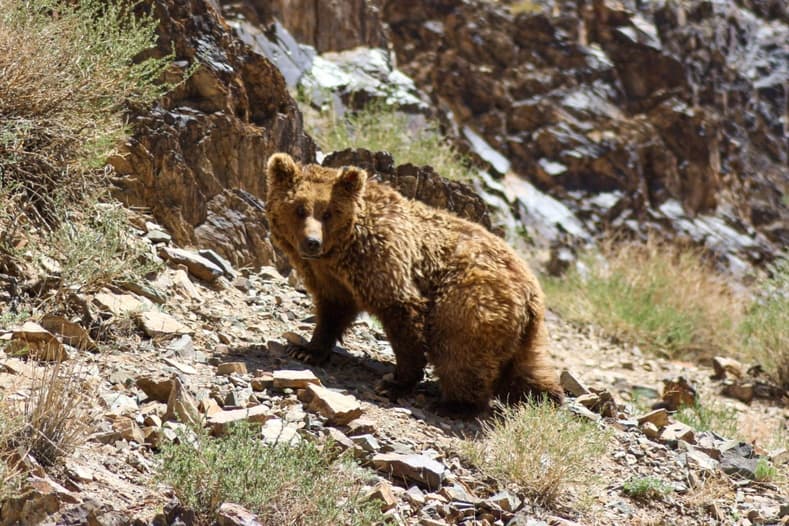
National Pride Animal: Mazaalai Bear
Save the world's loneliest bear
Greetings
Lorem ipsum dolor sit amet, consectetur adipiscing elit, sed do eiusmod tempor incididunt ut labore et dolore magna aliqua. Ut enim ad minim veniam, quis nostrud exercitation ullamco laboris nisi ut aliquip ex ea commodo consequat.
Duis aute irure dolor in reprehenderit in voluptate velit esse cillum dolore eu fugiat nulla pariatur.
Excepteur sint occaecat cupidatat non proident, sunt in culpa qui officia deserunt mollit anim id est laborum.


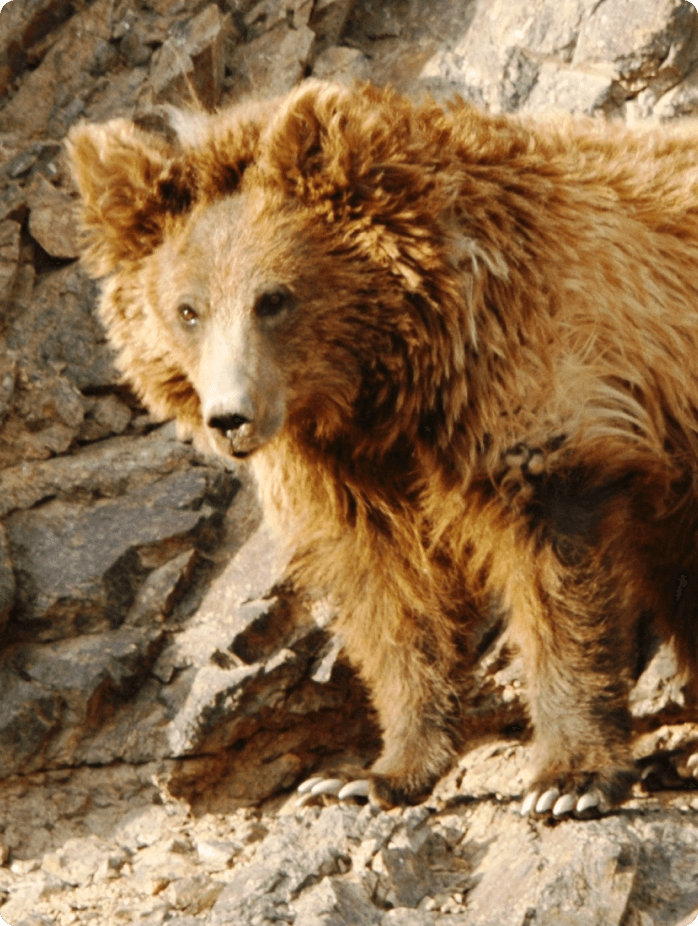
ABOUT MAZAALAI
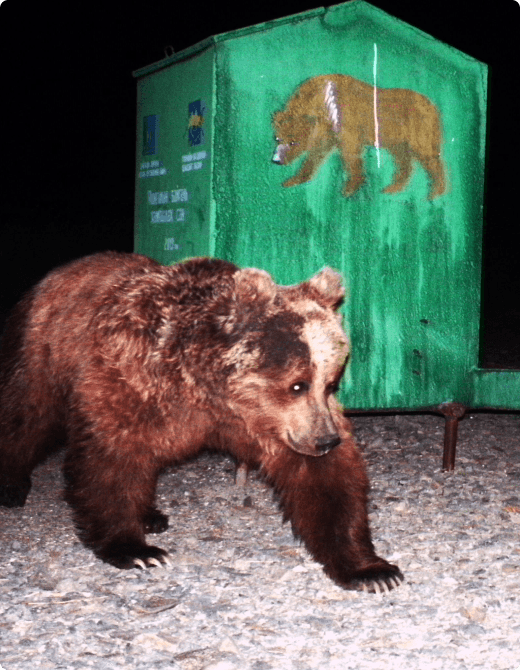
Officially recognised as a distinct taxon during an expedition by the Science Committee of the Mongolian People’s Republic in 1943. Recent analysis of genetic samples suggests the Gobi bear may represent a lineage within the subspecies U. a. isabellinus, but it is currently retained as a valid subspecies (U. a. gobiensis) on the basis of its apparently distinctive morphology.
DISTRIBUTION & RANGE
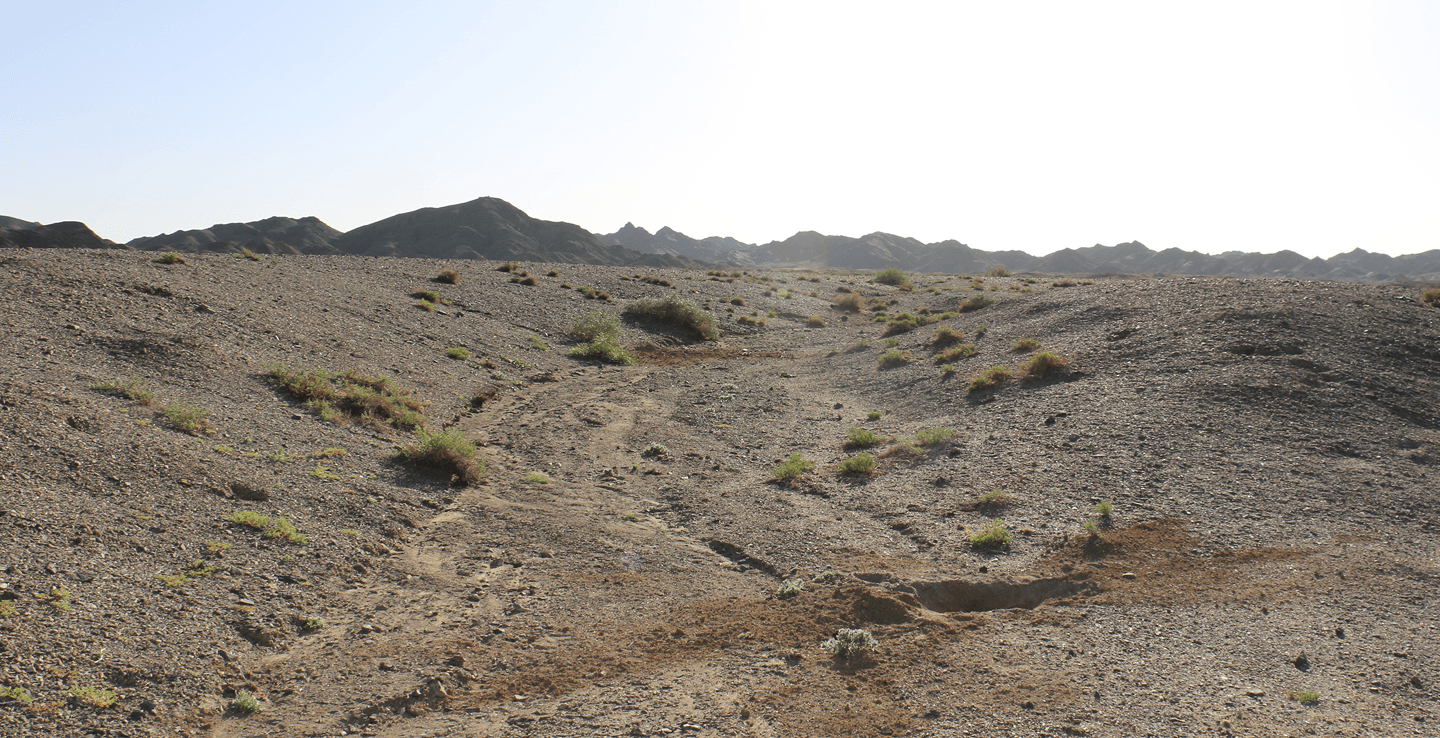
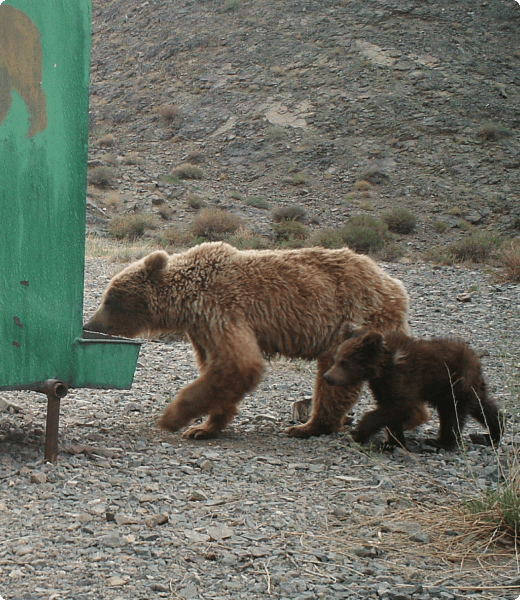
Formerly occurred as far east as Tost Ula Mountains in Trans Altai Govi Desert, but currently restricted to southern parts of this region, including Atas Bogd, Shar Khuls and Tsagaan Bogd mountains, near to oases. Individuals may occasionally move into Govi Gurvansaikhan National Park. Approximately 82% of the taxon’s range occurs within Great Gobi Section A Strictly Protected Area.


CONSERVATION STATUS
Listed under CITES Appendix I and protected as Very Rare under part 7.1 of the Mongolian Law on Fauna. Hunting has been prohibited since 1953. Listed as Very Rare in the ‘Mongolian Red Book’.
1943
Officially recognised as a distinct taxon during a Mongolian scientific expedition.
1953
Hunting of Mazaalai Bear was prohibited by law.
1960
The distribution area was reclassified five times. Population was estimated at 15-20 individuals.
SUMMARY OF EVENTS
1970
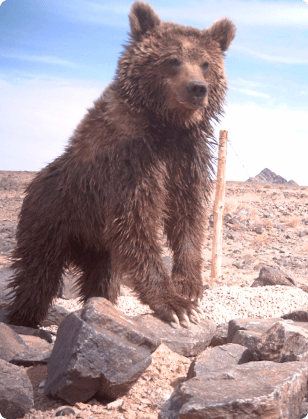
Population increased to over 20 individuals and became relatively stable.
1980
Population reached 25-30 individuals.
NEWS
Our collaborators


 Baga toiruu - 3, Juulchin street, 4th khoroo, Chinggeltei district, Ulaanbaatar – 15160 INFORMATION AND RESEARCH INSTITUTE OF METEOROLOGY, HYDROLOGY AND ENVIRONMENT №308
 +976 8903-5781
 mazaalaimng@gmail.com

